- Home
- Kids clothing
- CPSIA rules for kids clothing
CPSIA requirements for children's clothing
In the US, clothing made mainly for kids 12 and under is a children's product under the CPSIA (Consumer Product Safety Improvement Act). It needs tests at a lab that the CPSC (Consumer Product Safety Commission) accepts, a Children's Product Certificate from the importer, and permanent tracking labels. Since July 8, 2026, importers also file the certificate data with US Customs when the goods arrive. Here are the rules as of October 2026.
- As of October 2026
- Certificate, tests and labels
- A 12-step checklist
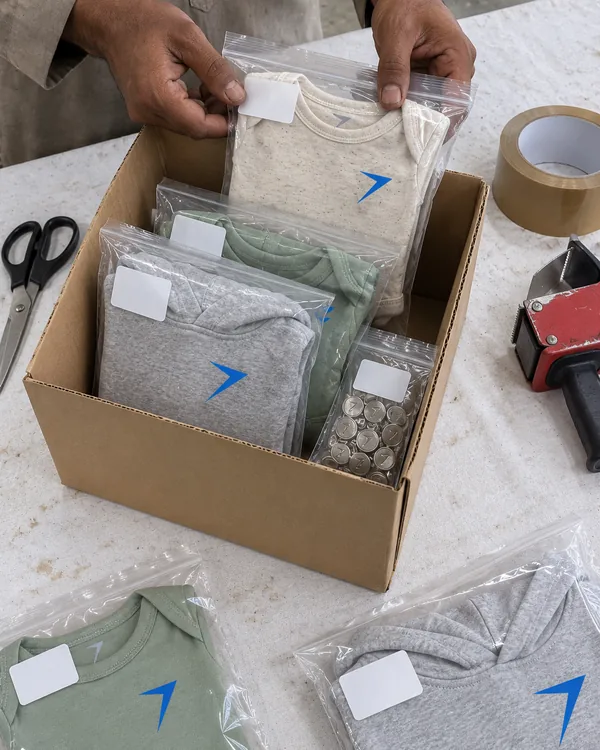












Is your clothing a children's product?
A children's product is one designed or meant mainly for kids 12 and under. The CPSC decides, and a label alone does not.
- Size: baby, toddler and kids sizes almost always count.
- Prints and themes: kids prints and themes count toward it.
- How you sell it: the packaging, the ads and where it is shown count too.
- Youth sizes 14 to 16: decide with your lab. Some rules reach past 12 anyway: the sleepwear rules run to size 14, and the waist drawstring limits to size 16.
The certificate, and eFiling since July 8, 2026
Every children's product needs a Children's Product Certificate (CPC), in English, based on passing tests from a CPSC-accepted lab.
- Who issues it: the US importer of the goods. For a brand that imports from a factory abroad, that is usually the brand.
- What it lists: the product, each rule it meets, the importer, who keeps the test records, where and when it was made, and when and where it was tested.
- eFiling: since July 8, 2026, the importer files the certificate data with US Customs when the goods enter. A customs broker can file it. Goods from a foreign trade zone follow from January 8, 2027.
- Retesting: at least once a year, or every two or three years with a production testing plan. A change in fabric, trim, ink or supplier that could affect the results means new tests.
- Records: keep certificates and test records for five years.
The tests most kids clothing needs
Your lab confirms the list for each style. These are the usual ones.
- Lead content: 100 ppm (parts per million) at most, in the parts a child can reach.
- Lead in paint and prints: 90 ppm at most. CPSC guidance treats screen prints and heat transfers as coatings, so they are tested.
- No lead test needed: for fabric colored only with dyes, or for plain thread. Snaps, buttons, zippers, rhinestones and metal trims need tests.
- Flammability: all clothing must meet the US clothing flammability rule, 16 CFR (Code of Federal Regulations) part 1610. Plain fabrics of 2.6 ounces per square yard (88 grams per square meter) or more need no test. Neither do fabrics made only of certain synthetics or wool.
- Phthalates: sleepwear and bibs for kids 3 and under are child care articles, so their plastisol prints and plastic parts are tested for phthalates.
Snaps and buttons have to stay on
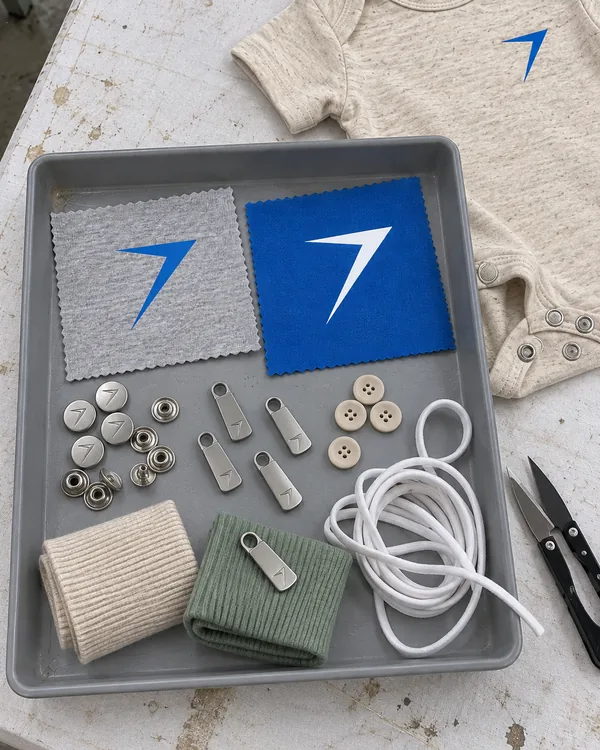
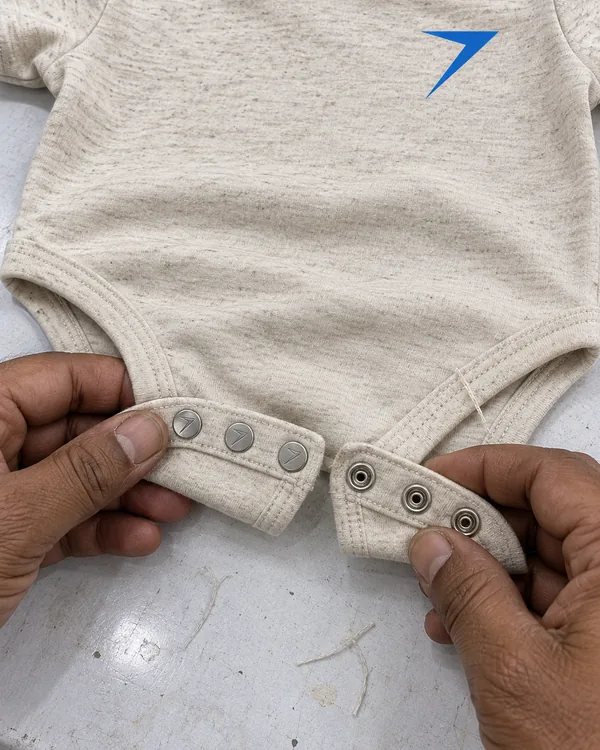
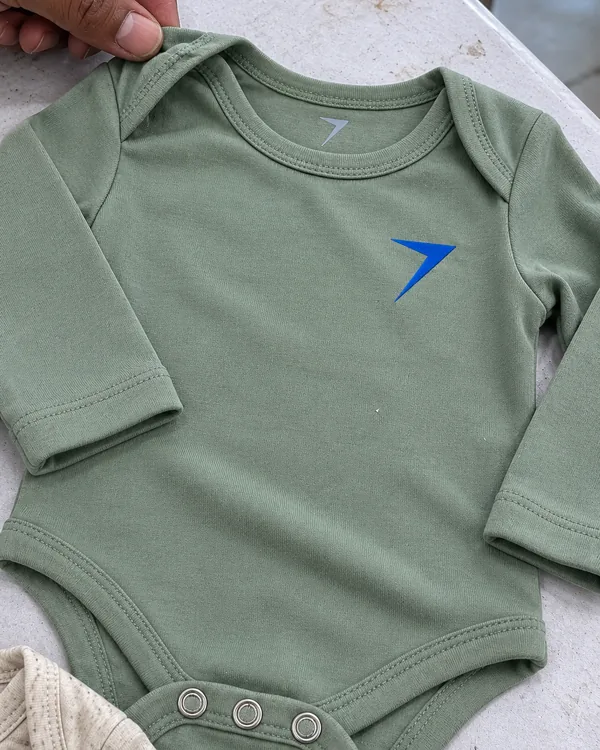
Clothing is exempt from the US small parts test. Snaps and buttons still have to stay on.
- Small parts: the federal small parts rule exempts children's clothing, with its buttons and snaps.
- Recalls: snaps that come off baby clothes are a common reason for recalls, because a baby can choke on one.
- Pull checks: many brands and stores set their own snap pull checks. Tell us your method, and we confirm it with your quote.
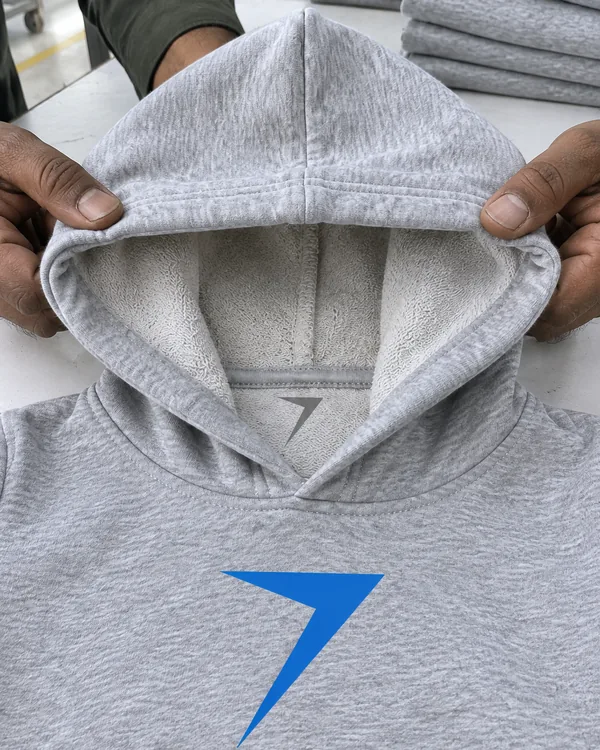
No drawstrings at the hood or neck
As of October 2026, drawstrings on kids tops and jackets follow 16 CFR part 1120.
- Hood and neck: no drawstrings at the hood or neck of kids tops in sizes 2T to 12.
- Waist and hem, sizes 2T to 16: with the garment spread to full width, a drawstring can show 3 inches at most outside its channel. Its ends have no toggles or knots. A one-piece drawstring is stitched down so it cannot be pulled out.
- What we do: we make kids tops with no drawstrings at the hood or neck, in every kids size.
Sleepwear: snug-fitting or flame-resistant
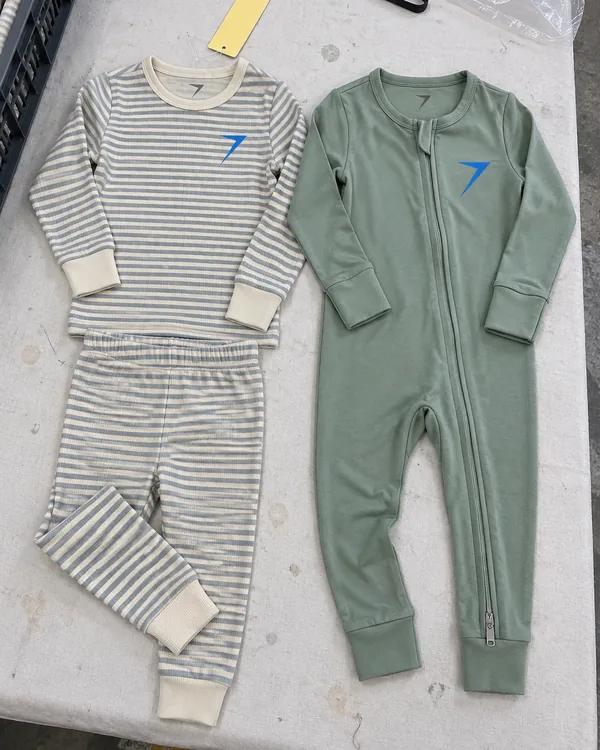
Kids sleepwear in sizes above 9 months through 14 follows stricter flame rules (16 CFR parts 1615 and 1616). It can be made two ways.
- Snug-fitting: cut within the size table of the rule, with "WEAR SNUG-FITTING, NOT FLAME RESISTANT" on the neck label under the size. It also needs a yellow hang tag with set wording.
- Flame-resistant: looser pajamas in fabric that passes the sleepwear flame test. The care label must not harm the flame resistance.
- Infant garments: pieces sized 9 months and under are exempt within set lengths, but still meet the general clothing rule.
- Loungewear: clothes made or sold for sleeping or lounging count as sleepwear, whatever their name.
Labels: tracking, fiber, origin and care
Three sets of US rules meet on the labels of a kids garment.
- Tracking label: a permanent mark on the product and its packaging that names the brand or importer, where and when it was made, and the batch. A hang tag does not count.
- FTC textile label: the fiber content, the country of origin on the front of the neck label, and your company name or RN number. FTC is the Federal Trade Commission, and an RN is the registered identification number it issues to a company.
- Care label: permanent care instructions.
- Organic and bamboo: say organic only with certified fiber and the papers for that lot. Use the USDA (US Department of Agriculture) organic seal only with USDA certification. Viscose from bamboo is labeled "viscose made from bamboo" or "rayon made from bamboo".
Your brand, the factory and the lab
How the work usually splits on a kids order with us.
| Task | Who does it |
|---|---|
| Decide which styles are children's products | Your brand, with your lab |
| Pick a CPSC-accepted lab and order the tests | Your brand |
| Send samples to the lab | Sharknits |
| Run the tests and send the reports | Your lab |
| Issue the Children's Product Certificate | Your brand, as the importer |
| File the certificate data at US entry | Your brand, or your customs broker |
| Sew permanent tracking labels | Sharknits |
| Make kids tops with no hood or neck drawstrings | Sharknits |
| Keep records for five years, and retest | Your brand |
12 steps before you sell kids clothing in the US
- Decide which styles are children's products: made or sold mainly for kids 12 and under.
- List the rules for each style: lead, clothing flammability, the sleepwear rules for sleepwear, phthalates for sleepwear and bibs for kids 3 and under, and the drawstring limits.
- Pick a lab that the CPSC accepts for every test on that list.
- Test samples that match your bulk order, before the goods ship.
- Issue a Children's Product Certificate in English, based on the passing results.
- File the certificate data with US Customs at entry, yourself or through your customs broker.
- Sew a permanent tracking label into each piece, and mark the packaging too.
- Add the FTC labels: the fiber content, the country of origin on the front of the neck label, and your company name or RN number. The care instructions must be permanent.
- For sleepwear, use flame-resistant fabric, or a snug-fitting cut with the snug-fitting label and the yellow hang tag.
- Leave drawstrings off the hood and neck of kids tops in sizes 2T to 12.
- Retest at least once a year, and after any change in fabric, trim, ink or supplier.
- Check your claims: organic only with certified fiber and papers, viscose made from bamboo instead of bamboo, and California's Proposition 65 if you sell there.
Where these rules come from
Read these before you order, and confirm the tests for each style with your lab.
- Children's products. What counts, and what CPSC weighs. CPSC: Children's Products
- The certificate. What a Children's Product Certificate is. CPSC: Children's Product Certificate
- eFiling. Mandatory for imports since July 8, 2026. CPSC news release 26-604, July 8, 2026
- Who certifies. The importer, under the certificates rule. eCFR: 16 CFR part 1110
- Tracking labels. What the marks must show, and why a hang tag does not count. CPSC: tracking labels FAQ
- Lead. The materials that need no test, and the ones that do. eCFR: 16 CFR 1500.91
- Phthalates. The limits for child care articles. eCFR: 16 CFR part 1307
- Drawstrings. Kids tops and jackets, sizes 2T to 16. eCFR: 16 CFR part 1120
- Sleepwear. Sizes up to 6X, with the snug-fitting labels. eCFR: 16 CFR part 1615
- Textile labels. Fiber content, country of origin and RN numbers. FTC: Threading Your Way
- Bamboo. Why it is labeled viscose or rayon made from bamboo. FTC: bamboo textiles
- Organic. Organic claims and the USDA seal on textiles. USDA Policy Memo 11-14
This guide explains the US rules as of October 2026. It is general information, not legal advice. Rules change, so confirm the details with your testing lab.
Questions buyers ask
What is the CPSIA?
The Consumer Product Safety Improvement Act of 2008. It set the US rules for children's products, such as lab tests, the Children's Product Certificate and tracking labels.
Who issues the Children's Product Certificate?
The US importer of the goods, which is usually the brand. A factory abroad does not issue it for goods a US brand imports.
What changed on July 8, 2026?
eFiling became mandatory. Importers now file the certificate data with US Customs when kids clothing enters the US. A customs broker can file it for you.
Does dyed fabric need a lead test?
No. Fabric colored only with dyes needs no lead test. Snaps, zippers, buttons, metal trims and prints do.
Do kids hoodies need tests?
Yes. They need the clothing flammability test unless the fabric is exempt, and lead tests for their prints, snaps and zippers. They also cannot have drawstrings at the hood or neck in sizes 2T to 12.
Do bibs need tests?
Yes. Bibs for kids 3 and under are child care articles, so their prints and plastic parts are tested for phthalates, as well as for lead.
How often do we retest?
At least once a year, or every two or three years with a production testing plan. Retest after any change in fabric, trim, ink or supplier.
Does Sharknits issue certificates or test reports?
No. Your brand issues the certificate, and your lab issues the test reports. We send samples to the lab you pick, sew permanent tracking labels and make kids tops with no hood or neck drawstrings.
Your request is ready
Send it to us on WhatsApp, or copy it into an email to contact@sharknits.com.
Want to talk sooner? Book a 15-minute call on Google Meet.
What happens next
- We reply with questions and a quote.
- We make one sample for you to check.
- You approve it, and we make your order.
contact@sharknits.com · +1 647 501 5424
Sharknits is a custom clothing manufacturer for brands in the US, with factories in Lahore and Sialkot and a U.S. corporate office near Chicago.