- Home
- Flame-resistant workwear
- Inherent vs treated FR clothing
Inherent vs treated FR clothing: what the words mean, and what lasts
Inherent FR (flame-resistant) clothing gets its flame resistance from the fiber itself, as aramid does. Treated FR clothing gets it from a chemical finish, often on cotton. OSHA (Occupational Safety and Health Administration) counts both as FR clothing. How long either lasts depends on the fiber, the care and the wear.
- Inherent or treated
- The words, defined
- Care and wear
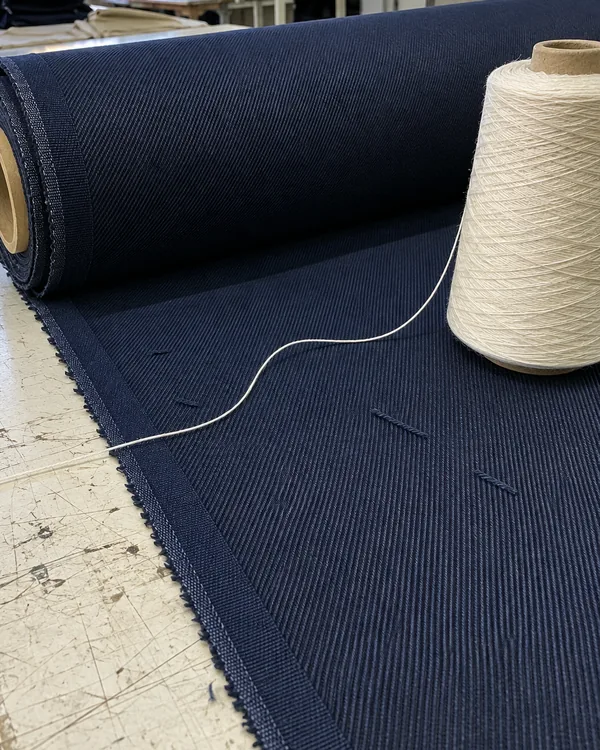

















Flame-resistant, flame retardant and fire resistant
Five words buyers meet, and what each one means.
- Flame-resistant (FR): a fabric that resists catching fire and stops burning once the flame is gone. US rules and standards use this term.
- Flame retardant: a chemical finish that slows or stops the spread of flame. Treated fabrics get their FR behavior from it.
- Fire resistant: a looser everyday word, also used for building products. Many buyers mean flame-resistant when they say it.
- Fireproof: a promise that a thing will not burn. No FR garment is fireproof. FR fabrics char.
- Inherent: flame resistance built into the fiber, as in aramid. It is not a finish that washes out.
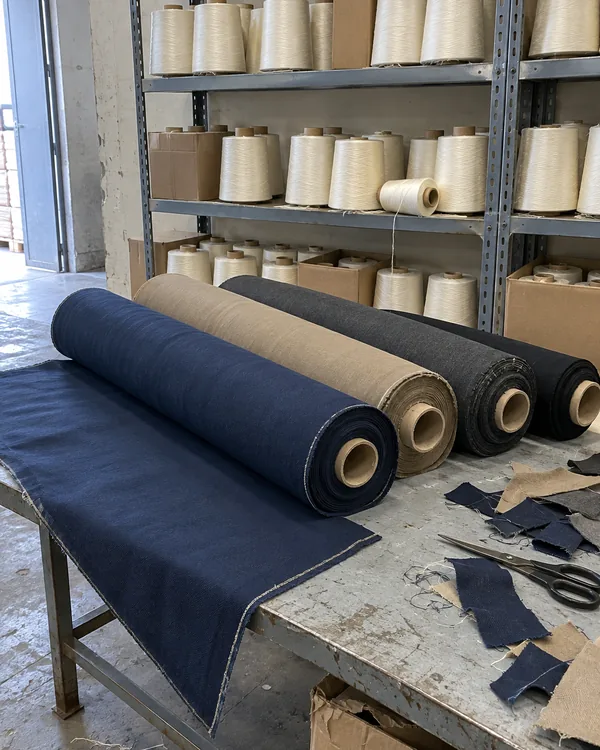
Inherent and treated FR, compared
Both count as FR clothing under OSHA's rules. They differ in where the flame resistance comes from.
| Compared | Inherent FR | Treated FR |
|---|---|---|
| Where the FR comes from | The fiber itself | A chemical finish |
| Common fabrics | Aramid, and blends with aramid | Cotton, and cotton blends |
| Washing | The flame resistance does not wash out | Makers say it lasts when the garment is cared for as they direct |
| Under OSHA's rules | FR clothing | FR clothing |
How long FR clothing lasts
There is no single number. Two well-known answers disagree, and both have a point.
- Ranges by fabric: a US uniform service gives about 12 to 16 months for FR cotton, and 2 to 4 years for synthetic blends. Both assume weekly wear and washing.
- No fixed number: an FR clothing maker calls a fixed number of washes or years a common misconception.
- What to check: holes, tears, thin spots, and oil or grease that will not wash out. Your program's rules decide when a garment is retired.
- Inherent or treated: inherent FR does not wash out. Treated FR depends on care, so follow the fabric maker's guide.
How to wash FR clothing
Follow the care label and the fabric maker's guide first. Fiber and fabric makers disagree on a few points, so this is the stricter line.
- Detergent only: no soap, no chlorine bleach, no fabric softener and no starch.
- Oil and grease: remove them before wear. Oil and grease left in a fabric can burn.
- The dryer: one fiber maker sets a limit of 280°F (138°C) for the garment in the dryer.
- Industrial laundries: ask your fabric supplier and your launderer for the right process.
- Repairs: use FR fabric and FR thread for patches and seams.
Mistakes to avoid with FR clothing
Some cost a garment months of wear. Others add a hazard at work.
- Chlorine bleach. It can weaken and fade the fabric.
- Fabric softener. The stricter care guides say to skip it.
- Starch and ironing sprays. Skip them. Some are flammable.
- Oily work clothes. Oil and grease left in the fabric can burn.
- Layers that melt. OSHA's rules for power work say fabrics that melt, such as nylon and polyester, must be avoided.
Where these facts come from
Read these, and confirm care with your fabric maker. CFR is the US Code of Federal Regulations.
- Inherent and treated. OSHA counts both as FR clothing, in 29 CFR 1910.269 Appendix E. OSHA: 1910.269 Appendix E
- Treated vs inherent. An overview from the AIHA (American Industrial Hygiene Association). AIHA: treated vs inherent
- Fiber names. Aramid and the other generic fiber names, in 16 CFR 303.7. Legal Information Institute: 16 CFR 303.7
- Claims. What the FTC (Federal Trade Commission) expects before a claim goes out. FTC: advertising substantiation
Questions buyers ask
What is the difference between inherent and treated FR?
Inherent FR fabric gets its flame resistance from the fiber, as aramid does. Treated FR fabric gets it from a chemical finish, often on cotton. OSHA counts both as FR clothing.
Is fire resistant the same as flame-resistant?
Many buyers use the two for the same idea. Flame-resistant is the term US rules and standards use. Fire resistant is a looser word, also used for building products.
Is flame retardant the same as flame-resistant?
No. Flame retardant names a chemical finish that slows the spread of flame. Flame-resistant describes how a fabric behaves. A treated fabric gets its flame resistance from a flame retardant finish.
Does FR clothing wash out?
Inherent FR does not wash out, because it is part of the fiber. Treated FR is made to last too, when the garment is cared for as the fabric maker directs.
How long does FR clothing last?
There is no fixed number. A US uniform service gives about 12 to 16 months for FR cotton and 2 to 4 years for synthetic blends, worn and washed weekly. Damage, wear and oil end a garment sooner.
Can you use fabric softener on FR clothing?
The stricter care guides say no. Follow your fabric maker's guide.
Is any FR clothing fireproof?
No. FR fabrics resist catching fire and stop burning once the flame is gone, but they still char. No clothing is fireproof.
Your request is ready
Send it to us on WhatsApp, or copy it into an email to contact@sharknits.com.
Want to talk sooner? Book a 15-minute call on Google Meet.
What happens next
- We reply with questions and a quote.
- We make one sample for you to check.
- You approve it, and we make your order.
contact@sharknits.com · +1 647 501 5424
Sharknits is a custom clothing manufacturer for brands in the US, with factories in Lahore and Sialkot and a US corporate office near Chicago.